
15% off on product page · save $2.47
How to Choose an All-Around Car Diagnostic Tool

A good all-around car diagnostic tool is a professional-level bidirectional scan tool that supports the makes and systems you work on, not just basic engine-code reading. No single tool can do everything on every vehicle, so focus on coverage for your car’s year, make, model, and the functions you expect to use.
Look for a tool that can read and clear codes across multiple modules, display live data, and run supported active tests that command components on and off. Depending on the vehicle, useful systems to access may include the engine, transmission, antilock brakes, airbags, and body electronics.
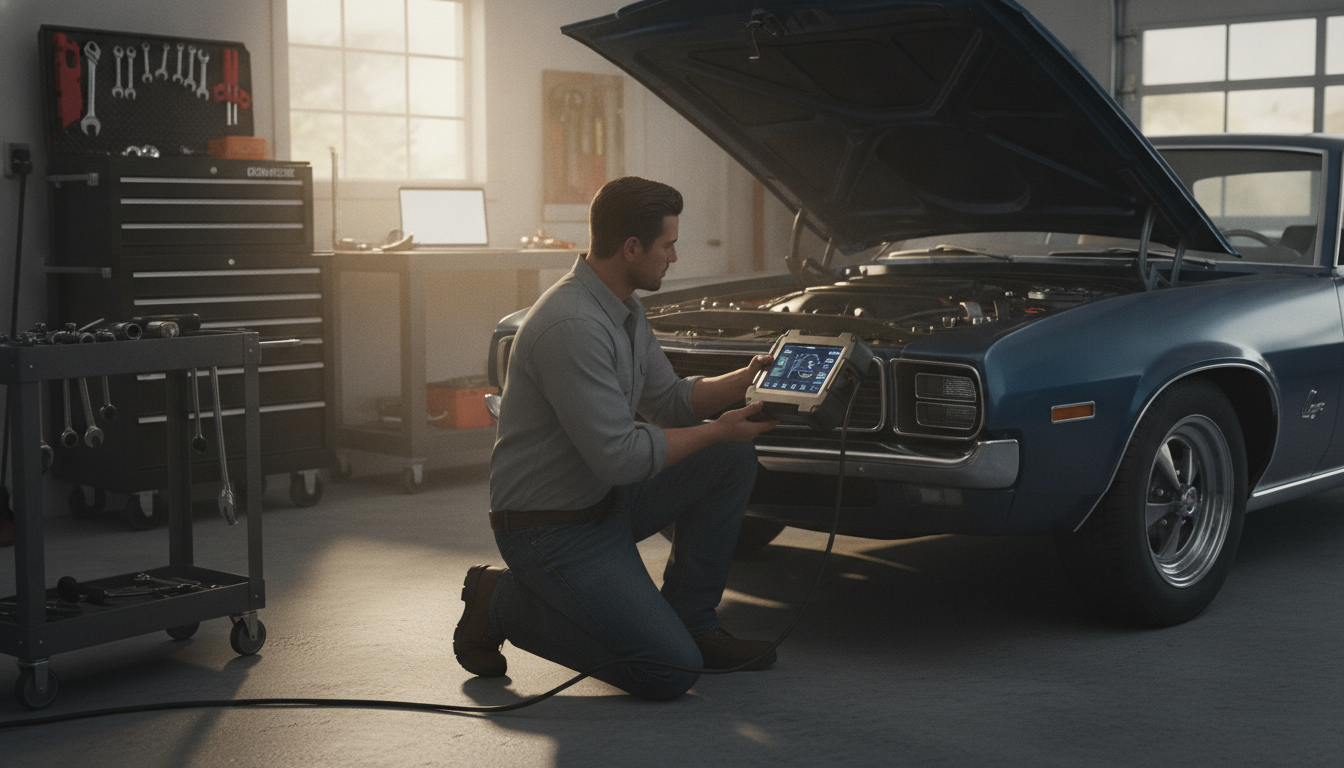
If you mainly want to investigate a check-engine light, an OBD-II code reader with live data may be a more practical choice than an expensive professional scanner. If you work on several vehicles or need deeper troubleshooting, a bidirectional scanner with broad manufacturer coverage is generally a better fit.
Before buying, identify the specific tasks you want to perform, such as reading transmission codes, resetting a service reminder, or testing an actuator. Confirm that the tool supports those functions on your vehicle, because a scanner may cover one system or feature without covering every other one.
Featured in this guide
AI Car Diagnostics: Unlocking Vehicle Insights | AI Car Diagnostics eBook Guide for Smarter Maintenance, Predictive Repairs & Vehicle Health Monitoring
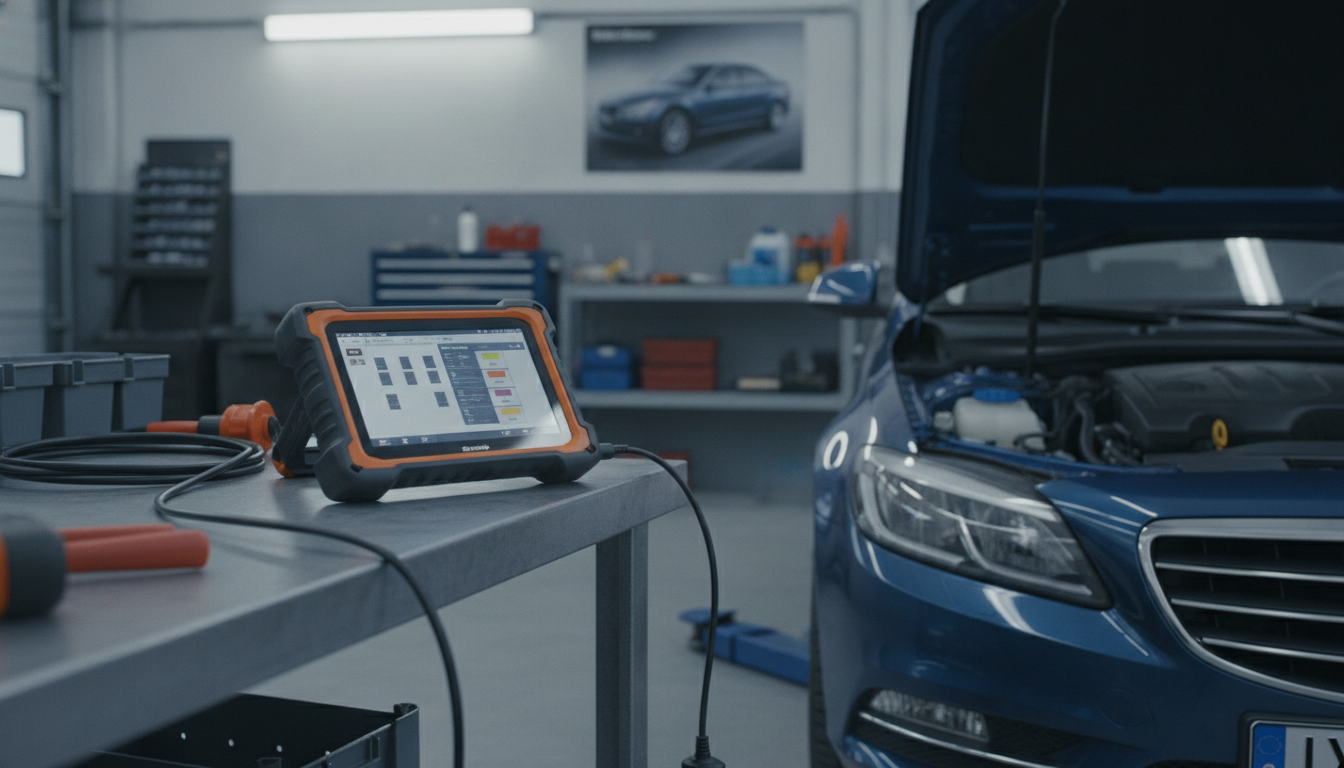
Compare how each tool receives software updates and whether continued access or newer vehicle coverage involves a subscription. A tablet-style scanner can offer a dedicated screen and extensive functions, while a phone-connected adapter may be easier to carry and suitable for simpler checks.
Keep the diagnostic connector clean, store the tool in a dry place, and follow its instructions when updating software or connecting to a vehicle. Treat diagnostic codes as starting points rather than automatic parts-replacement instructions: use live data, inspection, and appropriate tests to narrow down the cause.
Our team recommends pairing a capable scanner with a clear understanding of warning signs and maintenance decisions, especially if you are new to vehicle diagnostics. Our guide to AI car diagnostics and vehicle warning signs is a place to explore the topic.
Our AI Car Diagnostics: Unlocking Vehicle Insights eBook guide covers smarter maintenance, predictive repairs, and vehicle health monitoring; it is a learning resource rather than a physical scan tool. For safety-critical concerns such as brake or airbag warnings, have the vehicle assessed by a qualified technician rather than relying on a code alone.
Mechanics use a range of professional aftermarket scanners and manufacturer-specific tools, depending on the vehicles and repairs they handle. Manufacturer-specific tools can be important when a job requires functions that a general-purpose scanner does not support.




Leave a comment